Source Camouflage Tactical Bucket Hat for Hunting, Hiking, and Training
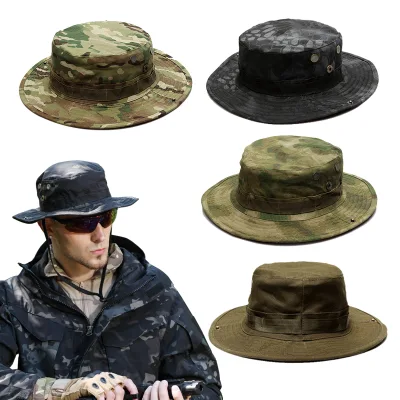
Find and compare 30 camouflage tactical bucket hat options from China. These unisex caps feature rip-stop polyester blends, waterproofing, and customizable logos for outdoor training, hunting, and hiking applications.
Key considerations
Products List


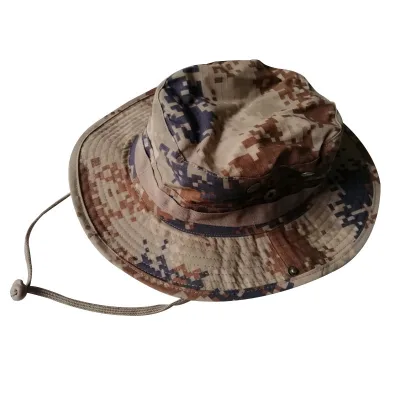
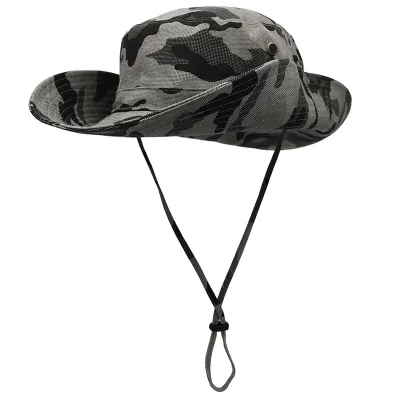
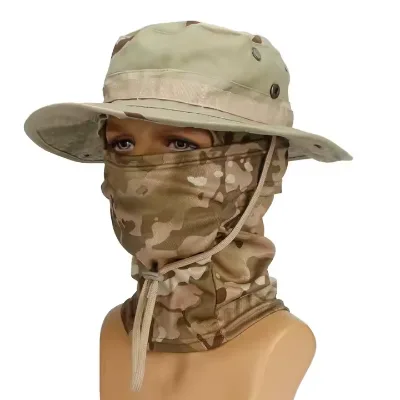
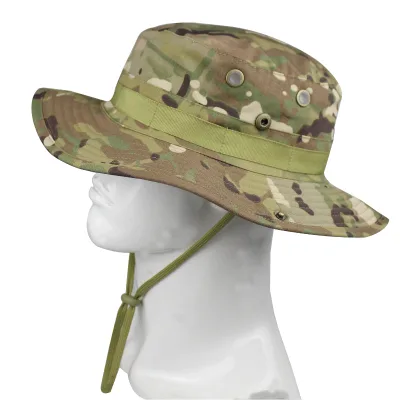




Comprehensive Sourcing Guide
Camouflage Tactical Bucket Hat Sourcing Guide
Sourcing camouflage tactical bucket hats requires a nuanced understanding of the intersection between military-grade functionality and outdoor utility. These headwear items are designed to provide protection from the elements while maintaining a low visual profile in natural environments. Buyers must distinguish between standard fashion bucket hats and those engineered for tactical or rugged outdoor use, which often feature reinforced stitching, specialized fabric blends, and functional design elements like wide brims for sun and rain protection. The procurement process involves verifying material composition, construction quality, and customization capabilities to ensure the product meets specific operational or branding needs.
The market for these items is diverse, ranging from lightweight summer caps to heavier, cold-proof variants suitable for autumn and spring conditions. Procurement teams should focus on suppliers who offer clear specifications regarding fabric weight, water resistance, and rip-stop capabilities. Understanding the specific use case, whether for hunting, hiking, camping, or tactical training, is essential for selecting the right product attributes. This guide provides a structured approach to evaluating suppliers, verifying technical specifications, and managing commercial terms to secure high-quality camouflage tactical bucket hats.
Product Scope and Observed Listing Signals
The observed product landscape includes a variety of headwear models, primarily categorized as hats, caps, and boonie hats, with specific models like the "Leaf Bionic Cap" and "Tactical Hat" indicating a focus on camouflage and utility. Listings show a wide range of customization options, including customized logos and graphic designs, which are critical for corporate gifting or branded tactical gear. The presence of attributes such as "Camouflage," "Rip-Stop," and "Waterproof" suggests that buyers are looking for durable, weather-resistant products suitable for outdoor activities. The observed price range of 1-9.48 USD indicates a competitive market with options for both budget-conscious bulk purchases and higher-quality specialized items.
Minimum Order Quantities (MOQs) vary significantly, ranging from 2 to 1000 units, allowing flexibility for small-scale trials and large-scale deployments. Suppliers are located primarily in China, with specific origins noted in Wuhan and Hubei province, which are known for textile manufacturing. The observed packing dimensions and weights, such as 0.07kg per unit and carton sizes like 504535 cm, provide insights into logistics planning. Buyers should note that while some listings mention "Normal" thickness, others specify "Medium" thickness or fabric weights of 210-220g/Sm, highlighting the need to verify material specifications for each order.
Technical Specifications to Verify
Fabric composition is a primary technical consideration, with observed materials including 100% Polyester and blends of 65% Polyester and 35% Cotton. Buyers must verify the exact material blend for each order, as polyester offers superior water resistance and durability, while cotton blends provide enhanced comfort and breathability. The presence of "Rip-Stop" features is a key indicator of durability, preventing tears from spreading in rugged environments. Additionally, the "Wearproof" and "Cold-proof" functions suggest that some models are designed for extended outdoor use in varying weather conditions, requiring verification of insulation or lining if cold-weather performance is a priority.
Structural specifications such as brim and crown design are critical for functionality. Observed attributes include "with Brim" and "with Crown," indicating a classic boonie hat silhouette that offers comprehensive sun and rain protection. The size range of 58-60cm is standard for adult unisex fits, but buyers should confirm if adjustable straps or specific sizing options are available, as some listings note "no strap." The "Fit" length and "Middle Pants" specification in some data points may indicate a broader product line, so buyers must ensure they are selecting the correct headwear model. Verification of single package dimensions, such as 21X22X4 cm, is also essential for efficient storage and shipping calculations.
Compliance and Safety Documentation
While specific certification statuses are not explicitly detailed in the observed listings, buyers should request documentation related to textile safety and environmental standards. For products intended for outdoor use, compliance with regulations regarding chemical treatments, such as water-repellent coatings, is important to ensure user safety. Buyers should verify that the supplier adheres to international standards for textile manufacturing, particularly regarding the use of dyes and finishes that may come into direct contact with the skin. This is especially relevant for products marketed as "Comfortable" and suitable for extended wear during activities like hiking or camping.
Documentation should also cover the origin of materials and the manufacturing process to ensure ethical sourcing practices. Given that the products originate from China, buyers may need to request proof of compliance with import regulations in their target market, including labeling requirements and fiber content disclosures. The ability to customize logos and patterns should be accompanied by clear guidelines on intellectual property rights and design approval processes. Buyers should establish a protocol for reviewing sample products before bulk production to ensure that all safety and quality standards are met.
Cost Drivers and Commercial Terms
The cost of camouflage tactical bucket hats is influenced by material choice, customization complexity, and order volume. The observed price range of 1-9.48 USD reflects these variables, with higher prices likely associated with specialized fabrics like rip-stop polyester or complex camouflage patterns. Customization, including logo printing or embroidery, adds to the unit cost and may require additional setup fees. Buyers should negotiate clear pricing structures that account for these variables, ensuring that all costs, including tooling for custom designs, are transparently disclosed.
Commercial terms such as MOQ and lead times are critical for supply chain planning. The wide MOQ range of 2-1000 units allows for phased ordering, but buyers should be aware that lower MOQs may come with higher per-unit costs. Packing specifications, such as 150PCS/CTN and 17kg/CTN, impact shipping costs and warehouse handling. Buyers should clarify whether the supplier offers FOB, EXW, or DDP terms, as this affects responsibility for logistics and insurance. Understanding the payment terms and production lead times is essential to align procurement with project timelines and budget constraints.
Supplier Qualification and Quality Control
Supplier qualification should begin with a thorough review of their manufacturing capabilities and quality control processes. Buyers should verify the supplier's experience in producing tactical and outdoor gear, looking for evidence of consistent quality in previous orders. The ability to provide samples is a crucial step in evaluating product quality, allowing buyers to assess fabric feel, stitching integrity, and color accuracy. Suppliers who offer customized logo services should demonstrate proficiency in branding techniques, ensuring that logos are durable and do not compromise the fabric's performance.
Quality control measures should include pre-production samples, in-line inspections, and final random inspections. Buyers should establish clear acceptance criteria for defects, such as loose threads, misaligned patterns, or fabric imperfections. The observed packing standards, such as using poly bags and cardboard cartons, should be verified to ensure that products are protected during transit. Buyers may also consider third-party inspection services for large orders to provide an independent assessment of quality and compliance. Building a strong relationship with the supplier through regular communication and feedback can help maintain high standards over time.
Long-Term Procurement Checks
Long-term procurement success depends on continuous monitoring of supplier performance and market trends. Buyers should regularly review supplier metrics, including on-time delivery rates, defect rates, and responsiveness to issues. Establishing a scorecard system can help track these metrics and identify areas for improvement. As the market for tactical and outdoor gear evolves, buyers should stay informed about new materials, designs, and technologies that could enhance product performance. This proactive approach ensures that the procurement strategy remains competitive and aligned with customer needs.
Sustainability and ethical sourcing are increasingly important factors in long-term procurement. Buyers should encourage suppliers to adopt environmentally friendly practices, such as using recycled materials or reducing waste in production. Regular audits of the supplier's social compliance can help ensure that labor standards are met and that the supply chain is free from unethical practices. By integrating these considerations into the procurement process, buyers can build a resilient and responsible supply chain that supports both business objectives and broader societal values.
FAQs
What materials are used for camouflage tactical bucket hats?
These hats are typically made from polyester or a blend of 65% polyester and 35% cotton. The fabric weight ranges from 210-220g/Sm, providing a balance of durability and comfort. Some models feature rip-stop and waterproof properties, making them suitable for rugged outdoor environments and tactical training scenarios.
Can I customize the logo on these tactical hats?
Yes, customized logos are available for these products. Buyers can provide their own graphic designs or artwork for printing on the hat. This customization service allows organizations to brand their gear effectively for outdoor training, hunting, or camping activities while maintaining the professional appearance of tactical equipment.
What is the typical MOQ for ordering these hats?
The minimum order quantity ranges from 2 to 1000 pieces depending on the specific supplier and product model. Standard packing often involves poly bags or cardboard cartons, with quantities like 150 pieces per carton. Buyers should verify the exact MOQ with the supplier to ensure it aligns with their procurement volume requirements.
Are these hats suitable for summer outdoor activities?
Yes, many models are designed for summer, spring, and autumn use. They feature breathable fabrics and wide brims to provide sun protection. The hats are lightweight, weighing around 0.07kg, and offer wearproof and cold-proof functions, making them versatile for hiking, camping, and other outdoor training exercises in various weather conditions.
Where are these tactical hats manufactured?
These hats are manufactured in China, with specific origins noted in Wuhan and Hubei province. The production facilities adhere to standard packaging dimensions and quality controls. Buyers can expect consistent supply from these regions, which are known for textile manufacturing capabilities and efficient logistics for international export orders.